
Seamless Ingestion from Google Sheets to Databricks: A Step-by-Step Guide

In today’s data-driven world, enterprises handle massive amounts of continuously arriving data from various sources. Google Sheets often serves as a quick and easy way
Building a Real-Time Chat App With Websocket and Node.JS

Want to build a live chat app like WhatsApp or Messenger? In this blog, we’ll show you how to create a simple real-time chat app
Deep Copy vs Shallow Copy in Databricks Delta Lake

When working with large-scale data in Databricks Delta Lake, it’s common to create copies of tables for testing, development, or archival purposes. However, not all
The Hidden Wall Between Fabric OneLake and Databricks Unity Catalog

These days, many teams use Microsoft Fabric OneLake for unified storage and Databricks Unity Catalog (UC) for data governance and analytics. But here’s the catch:
Getting Started with Kubernetes

Kubernetes has become the go-to platform for container orchestration, enabling developers and operations teams to deploy, manage, and scale containerized applications efficiently. If you’re new
Why Choose Django? A Beginner’s Guide to the Framework

Django is a high-level web framework for Python that enables developing dynamic websites more quickly and easily. Written with the “Don’t Repeat Yourself (DRY)” philosophy,
Databricks Clean Room — where shared insights meet uncompromised privacy
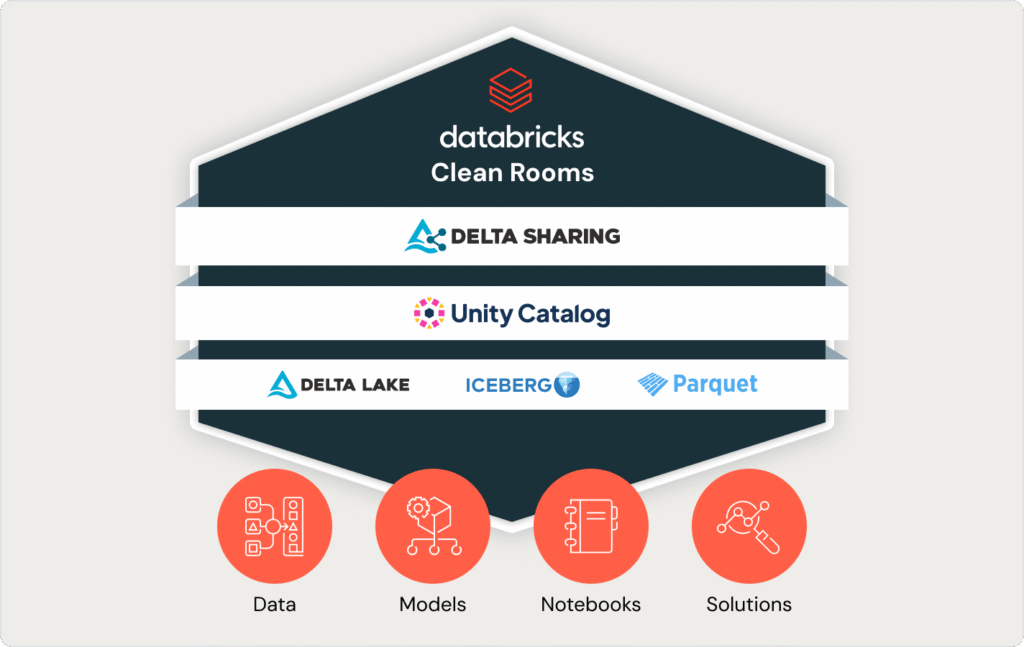
A Data clean Room is a secure space that enables businesses to work together on sensitive data without exposing or compromising it. By using robust
Handling CDC in Databricks: Custom MERGE vs. DLT APPLY CHANGES

Change data capture (CDC) is crucial for keeping data lakes synchronized with source systems. Databricks supports CDC through two main approaches: Custom MERGE operation (Spark
Reducing Dataset Size Without Sacrificing Insight
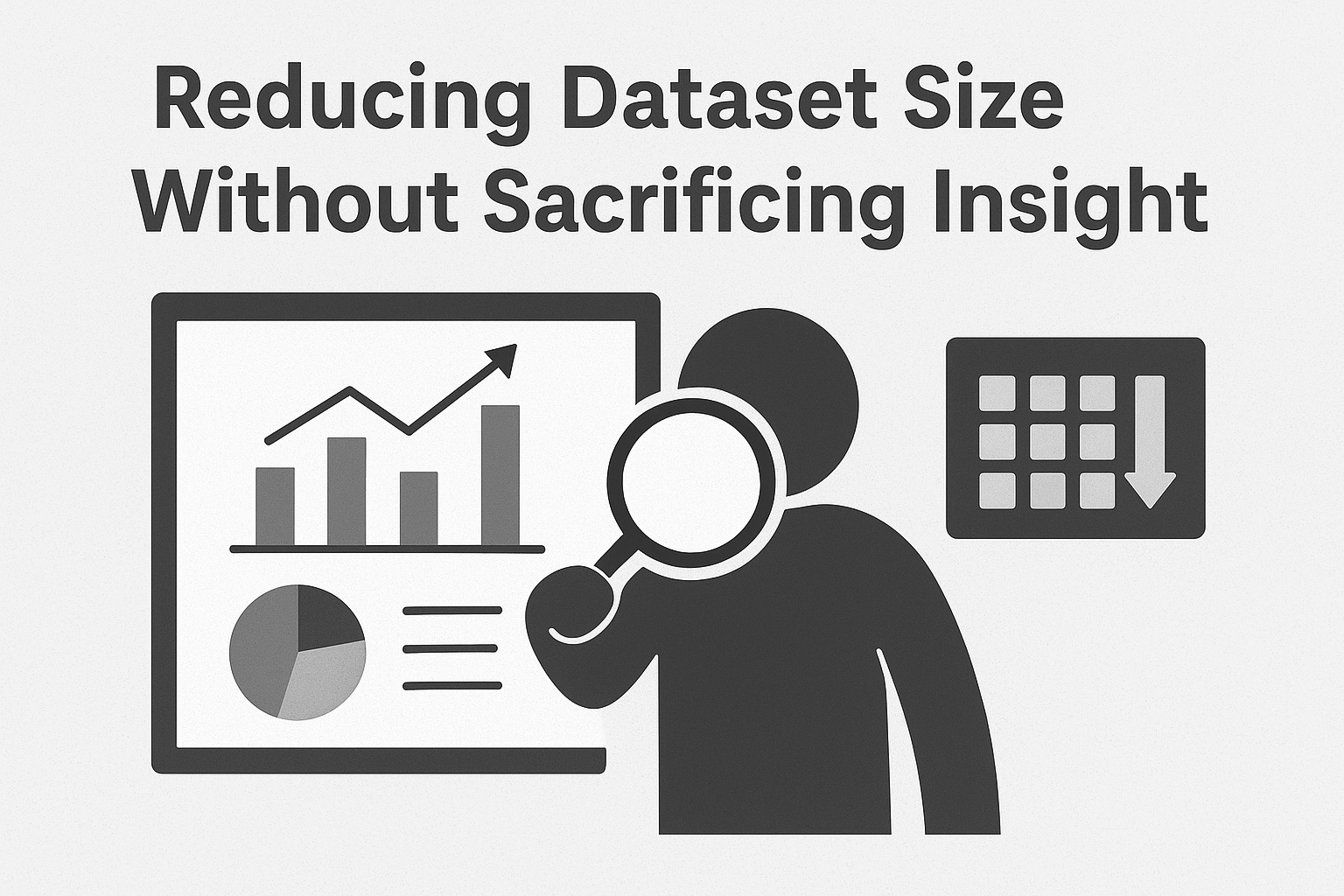
Introduction: Power BI empowers organizations to turn data into actionable insights. However, as datasets grow in complexity and volume, performance bottlenecks, slow report loads, and
Why Database Lookups Are Slow—and How Bloom Filters Supercharge Performance

High-scale applications like Twitter, LinkedIn, and Gmail handle millions of users every day. Making sure everything runs smoothly is important, especially for simple tasks like